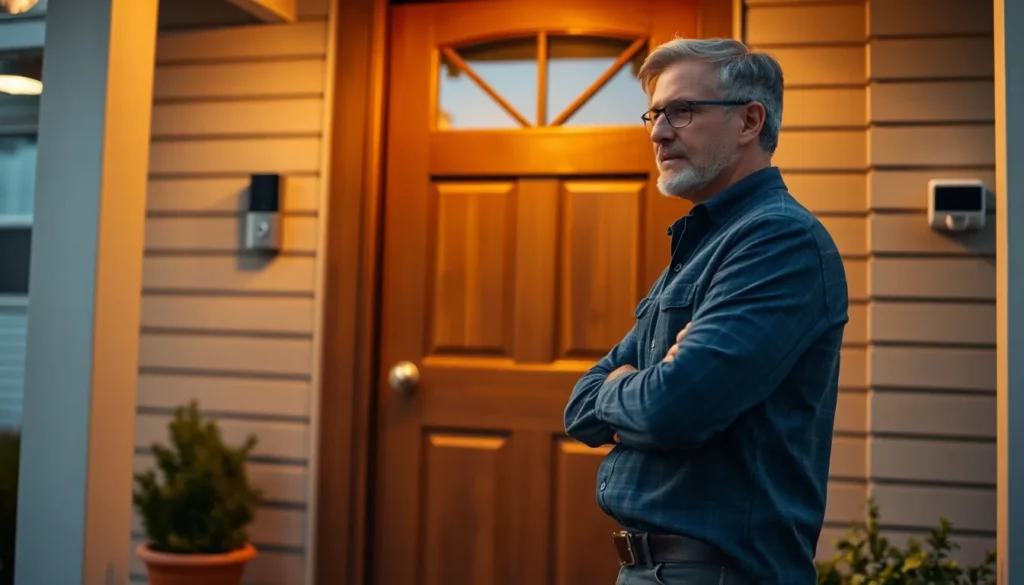

Good security ideas can mean the difference between a safe home and an easy target. Burglars look for weak points, unlocked doors, dark yards, and homes that seem empty. The good news? Most break-ins are preventable with the right precautions. This guide covers practical security ideas that homeowners can carry out today. From reinforcing entry points to building smarter daily habits, these strategies help protect what matters most. No expensive overhauls required, just smart thinking and consistent action.
Table of Contents
ToggleKey Takeaways
- Strengthen entry points with Grade 1 or 2 deadbolts and 3-inch screws in strike plates to prevent forced entry.
- Smart security technology like video doorbells, smart locks, and motion-activated cameras offers affordable, effective home protection.
- Create the appearance of occupancy using light timers, smart plugs, and paused mail deliveries to deter burglars when away.
- Maintain outdoor spaces by trimming shrubs, installing motion-activated floodlights, and securing sheds to eliminate hiding spots and vulnerabilities.
- Build consistent security habits like nightly door checks and regular property audits to keep your home protection up to date.
- The best security ideas combine smart technology, physical reinforcements, and daily routines—no expensive overhauls required.
Strengthen Your Entry Points
Entry points are where security ideas matter most. Doors and windows serve as the primary access points for intruders. Strengthening them creates the first and most important line of defense.
Upgrade Doors and Locks
A solid door means nothing with a weak lock. Homeowners should install deadbolts with at least a one-inch throw, the bolt that extends into the door frame. Grade 1 or Grade 2 deadbolts offer the best protection against forced entry.
The door itself matters too. Solid wood or metal doors resist kicking far better than hollow-core alternatives. For sliding glass doors, a simple security bar in the track prevents the door from being forced open.
Don’t overlook the strike plate. This small metal piece where the deadbolt enters the frame is often attached with short screws. Replacing them with 3-inch screws anchors the strike plate into the wall stud, making it much harder to kick in.
Reinforce Windows
Windows are common entry points, especially ground-floor ones. Security film adds a layer of shatter resistance. Even if an intruder breaks the glass, the film holds fragments together and slows entry.
Window locks should go beyond the standard latches. Pin locks or key-operated locks add extra security. For basement windows, security bars or grilles provide physical barriers without blocking emergency egress if they’re designed with quick-release mechanisms.
Double-hung windows benefit from sash locks that secure both the upper and lower sections. These simple security ideas cost little but add real protection.
Invest in Smart Security Technology
Smart security technology has made home protection more accessible than ever. Modern security ideas often combine convenience with effectiveness.
Video doorbells let homeowners see and speak with visitors from anywhere. When someone approaches the door, motion sensors trigger recording. This deters package thieves and provides evidence if incidents occur.
Smart locks eliminate the need for hidden spare keys, a security weakness burglars know to exploit. Temporary access codes can be created for guests, dog walkers, or contractors, then deleted afterward.
Security cameras have dropped in price significantly. A basic system with two to four cameras covers most homes. Place cameras at entry points, the driveway, and any blind spots around the property. Cloud storage keeps footage safe even if someone steals the camera.
Smart lighting systems respond to motion or can be controlled remotely. They turn on automatically when someone approaches, removing the cover of darkness that intruders prefer.
Professional monitoring services add another layer. When sensors detect a break-in, the monitoring company contacts authorities, even if the homeowner is asleep, traveling, or unable to respond.
Create the Appearance of Occupancy
Empty homes attract burglars. Creating the appearance of occupancy is one of the simplest and most effective security ideas available.
Light timers simulate normal activity. Setting lamps to turn on and off at different times throughout the evening makes the home appear occupied. Smart plugs make this even easier, allowing random schedules that look more natural than predictable patterns.
When traveling, homeowners should pause mail and package deliveries. A stuffed mailbox signals absence. Alternatively, a trusted neighbor can collect deliveries daily.
Leaving a car in the driveway, or asking a neighbor to park there, suggests someone is home. The same goes for keeping blinds and curtains in their normal positions rather than completely closed.
Smart speakers can play TV audio or conversation sounds on a schedule. It sounds odd, but burglars casing a house will hear activity inside and often move on to easier targets.
Social media posts about vacations should wait until after returning home. Announcing travel plans publicly tells potential intruders exactly when the home will be empty.
Secure Your Outdoor Spaces
Security ideas should extend beyond the house itself. The yard and exterior spaces play a major role in home protection.
Landscaping affects visibility. Overgrown bushes near windows give intruders hiding spots. Keep shrubs trimmed below window height. Thorny plants like roses or barberry beneath windows create a natural deterrent, nobody wants to crawl through thorns.
Motion-activated floodlights eliminate dark zones around the property. Place them near doors, gates, and along the sides of the house. Solar-powered options work well in areas without outdoor electrical access.
Fences define property boundaries and slow intruders. A six-foot privacy fence blocks visibility into the yard, but it also hides anyone who gets inside. Some security experts recommend shorter fences that allow neighbors and passersby to see suspicious activity.
Sheds and garages need attention too. Ladders, tools, and other items stored outside can become tools for break-ins. Lock sheds securely and store valuable equipment inside when possible.
Security signs and stickers, even generic ones, signal that the home is protected. Studies show visible security indicators make burglars less likely to attempt entry.
Build a Security-Conscious Routine
The best security ideas become habits. Technology and hardware only work when used consistently.
A nightly routine should include checking all doors and windows. This takes two minutes and catches any locks left undone during the day. Some smart security systems offer a “goodnight” mode that confirms all entry points are secured.
Homeowners should vary their schedules slightly when possible. Completely predictable patterns make it easier for someone watching to know exactly when the house is empty.
Getting to know neighbors strengthens security for everyone. Neighbors who recognize each other notice unfamiliar vehicles and suspicious behavior. Neighborhood watch programs formalize this, but even informal relationships help.
Teaching children about security matters. They should know not to open doors for strangers and understand how to respond if something seems wrong.
Regular security audits keep protection current. Every six months, walk the property looking for vulnerabilities. Check batteries in sensors and cameras. Test alarm systems. Security ideas that worked last year might need updates.