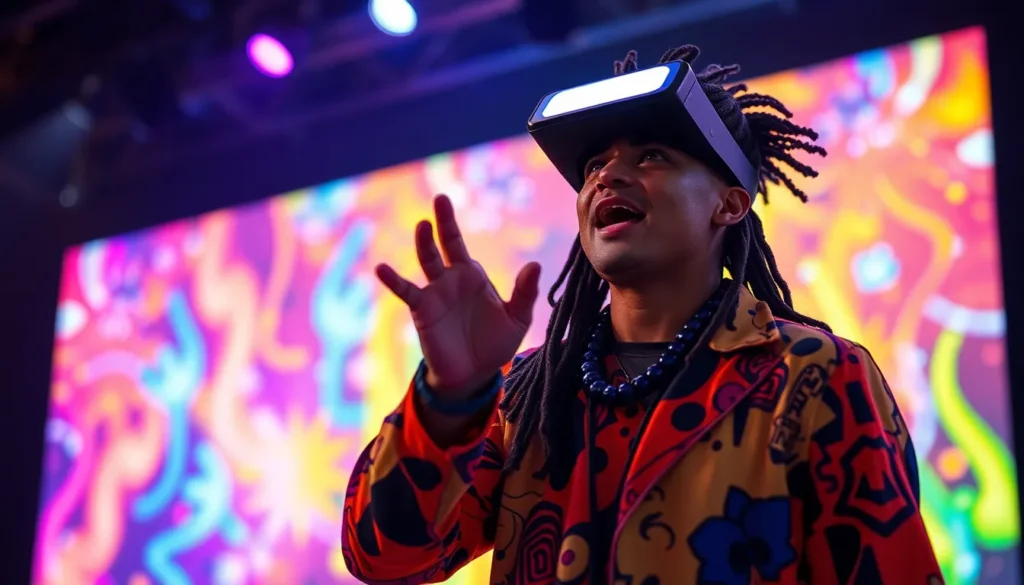

Augmented reality (AR) is revolutionizing the way audiences experience performances, blending the digital and physical worlds like never before. From theater productions to live concerts, AR technology enhances storytelling and engages viewers in immersive ways. As artists and creators harness this innovative medium, they’re pushing the boundaries of traditional performance art.
By integrating digital elements into live shows, performers can captivate audiences with stunning visuals and interactive experiences. This shift not only transforms the way stories are told but also opens up new avenues for creativity and expression. As the demand for unique entertainment grows, understanding the impact of augmented reality on performance becomes essential for both creators and fans alike.
Overview of Augmented Reality Performance
Augmented reality (AR) enhances performance art by integrating digital elements into live settings. This technology creates layered experiences where artists interact with virtual components, fundamentally altering audience engagement. AR applications provide real-time data, visual effects, and interactive storytelling, fostering deeper connections between performers and viewers.
AR’s impact on theater includes the use of digital backdrops, which change scenes dynamically, allowing for more versatile storytelling. For example, productions like The Lion King incorporate AR to evolve stage designs and environments seamlessly. Similarly, live concerts utilize AR to amplify visual displays, enhancing the concert experience with immersive graphics that respond to music.
The rise of AR technology in performance art signifies a shift towards more personalized viewer experiences. Audiences can interact with shows via mobile applications or AR wearables, enabling them to influence narrative pathways or visual elements. This level of interactivity invites active participation, keeping audiences engaged and intrigued.
As AR continues to evolve, performance artists explore limitless creative possibilities. They experiment with virtual characters and images that blend seamlessly with physical environments, pushing the boundaries of what performance can achieve. Understanding AR’s potential enables artists to craft compelling, memorable experiences that resonate with modern audiences.
Key Factors Affecting Augmented Reality Performance
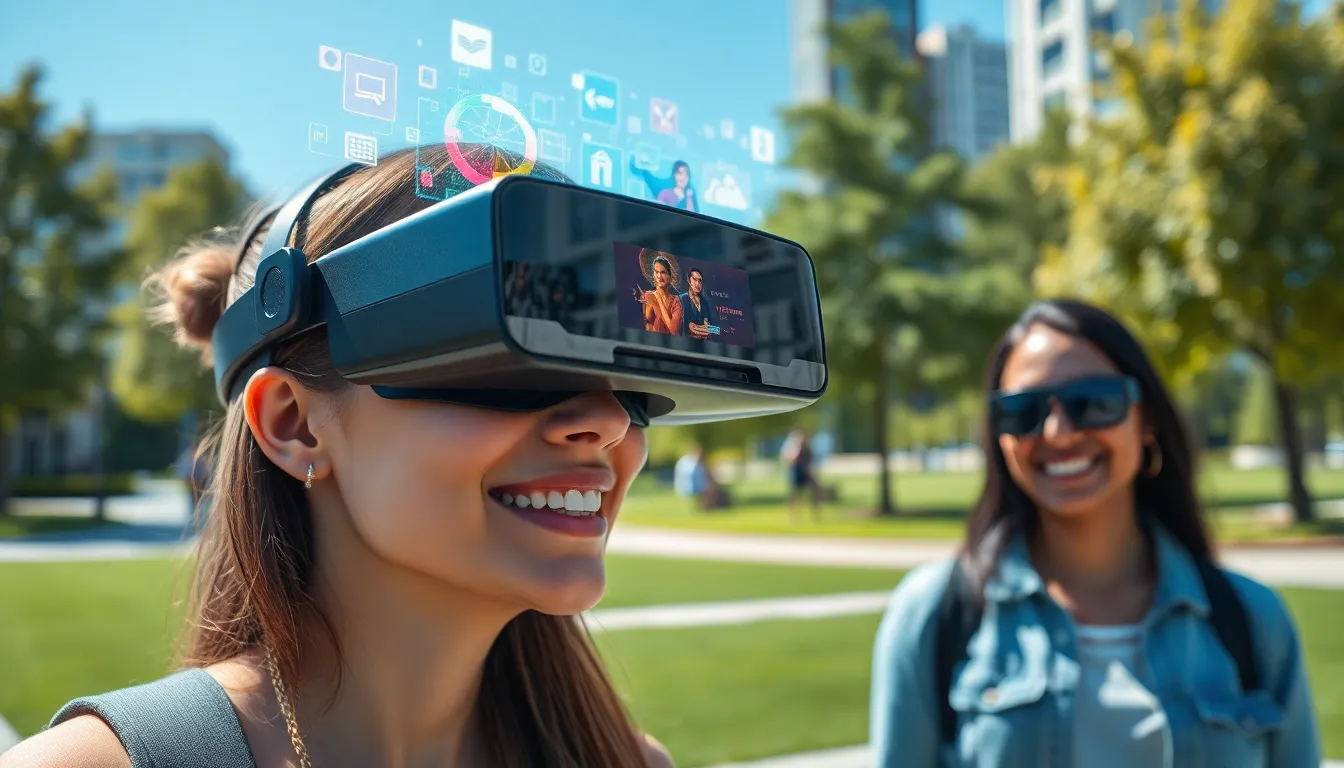
Several key factors significantly influence the performance of augmented reality (AR) systems, ensuring a seamless integration of digital and physical elements.
Hardware Considerations
Hardware plays a crucial role in determining AR performance. The following factors enhance usability and interactivity:
- Processing Power: High-performance processors in devices lead to faster rendering of graphics, resulting in smooth experiences.
- Display Quality: High-resolution screens improve visual clarity, enhancing immersion for audiences.
- Sensors and Cameras: Advanced sensors and cameras detect user movements and environmental attributes, allowing for accurate placement of virtual elements.
- Battery Life: Devices with longer battery lives ensure extended use without interruptions, facilitating more engaging experiences.
- Connectivity: High-speed internet connections enhance real-time data access and interaction capabilities, crucial for live performances.
Software Optimization
- Efficient Algorithms: Cutting-edge algorithms reduce latency and improve responsiveness, providing a seamless user experience.
- User Interface Design: Intuitive interfaces enhance user interaction, making navigation through digital features straightforward.
- Content Management Systems: Effective content management allows for easy updates and changes to AR experiences, keeping performances fresh.
- Cross-Platform Compatibility: Ensuring software works across various devices widens audience reach and accessibility.
- Regular Updates: Consistent software updates fix bugs and enhance features, maintaining optimal performance over time.
Applications of Augmented Reality Performance
Augmented reality (AR) finds diverse applications across various fields, particularly in gaming, entertainment, education, and training. These areas demonstrate AR’s ability to enhance user interaction and engagement.
Gaming and Entertainment
Gaming experiences thrive on AR integration, allowing players to interact with both virtual and real-world environments. Titles like Pokémon GO exemplify how AR encourages exploration and social interaction. Players navigate physical spaces, capturing virtual creatures while competing with others in real-time. Additionally, AR enhances storytelling within video games, offering immersive narratives where players influence outcomes through their actions. Such interactivity deepens player engagement, creating memorable experiences.
In the broader entertainment sector, concerts and live events utilize AR-generated visuals to captivate audiences. Enhancements include 3D animations that respond to musical beats and interactive displays that encourage audience participation. The use of AR in live performances not only amplifies visual appeal but also fosters emotional connections, making viewer experiences more impactful and memorable.
Education and Training
AR applications in education and training offer interactive learning experiences that engage users more effectively than traditional methods. Educational institutions use AR to create simulations that illustrate complex concepts in subjects like biology and physics. For instance, students can visualize anatomical structures or explore chemical reactions in a three-dimensional format, enhancing comprehension.
Training programs, especially in fields like medicine, aviation, and manufacturing, leverage AR for skills development. Medical students practice surgeries with AR overlays, allowing them to visualize organ structures and perform procedures in a controlled environment. Similarly, aviation trainees use AR to simulate cockpit scenarios, preparing them for real-life situations without risk. Such immersive training methods enhance retention and competency, leading to improved performance outcomes.
Challenges in Augmented Reality Performance
Augmented reality (AR) faces significant challenges that affect its performance in various applications, particularly in performance art. These challenges include technical limitations and user experience issues that companies must address to fully realize AR’s potential.
Technical Limitations
Technical limitations impact AR performance significantly. Processing power affects the real-time rendering of graphics, which limits the complexity and quality of AR visuals. Display quality plays a crucial role, as inadequate resolution or refresh rates can detract from user immersion. Sensor and camera accuracy is critical for precise tracking of physical movements and interactions; any inaccuracies can disrupt the experience. Battery life limits the duration of AR use, particularly in mobile applications, where extended use can lead to device overheating or shutdowns. Finally, connectivity issues, including latency and bandwidth, can hinder the seamless integration of digital and physical elements, creating delays or disruptions in the user experience.
User Experience Issues
User experience issues also pose significant challenges for AR performance. Complexity in user interfaces can overwhelm users, leading to frustration and disengagement. Intuitive design is crucial for facilitating smooth interactions. Furthermore, AR applications must consider the diverse capabilities of hardware devices; inconsistencies in performance across devices can create disparities in user experience. Another issue is motion sickness, which some users experience due to mismatched visual and physical movements. Additionally, the necessity for users to wear AR glasses or headsets can inhibit natural behavior and limit audience participation. Addressing these issues is vital for enhancing user engagement and satisfaction in AR experiences.
Future Trends in Augmented Reality Performance
Future trends in augmented reality (AR) performance indicate rapid technological advancements and increased adoption across diverse creative fields. These trends focus on enhancing user experience, improving interaction, and integrating more sophisticated digital elements into performances.
- Enhanced Interactivity
Enhanced interactivity will define future AR performances. Performers will utilize real-time data to tailor experiences for individual audience members. This personalization will foster deeper emotional connections during performances.
- Integration of AI
Integration of artificial intelligence in AR will revolutionize performance art. AI can analyze audience reactions and adjust performances dynamically. This capability promotes adaptive storytelling, allowing narratives to shift based on real-time feedback.
- Wearable AR Devices
Wearable AR devices are expected to become increasingly prevalent. Artists will encourage audiences to engage via lightweight glasses or headsets, which will provide immersive overlays of digital content. This technology will elevate the depth of engagement with visual and audio layers during live events.
- Cross-Platform Experiences
Cross-platform experiences will gain traction, allowing audiences to interact with performances across multiple devices. Performers will develop applications that facilitate engagement, enabling spectators to influence storylines or interact with characters from their smartphones or tablets.
- Collaborative Performances
Collaborative performances between multiple artists in different geographical locations will emerge. Through AR, artists can share digital spaces, creating a unified performance experience that transcends physical boundaries. This trend will encourage global participation in the arts.
- Sustainability in AR
Sustainability will become a concern within AR performances. Artists will explore eco-friendly virtual sets and minimize the carbon footprint associated with live performances. This focus aligns with global initiatives toward environmental responsibility.
- Improved Hardware Capabilities
Continued advancements in hardware will lead to enhanced AR experiences. Improved sensors, higher display resolutions, and faster processing capabilities will ensure seamless integration of digital and physical elements. These developments will minimize technical barriers, enhancing user satisfaction.
- Personalization and User Experience Design
Personalization and user experience design will play critical roles in the future of AR. Developers will focus on creating intuitive interfaces that accommodate various audience members, making it easier for users to navigate and enjoy performances.
- Social Media Integration
Social media integration will amplify audience engagement. Performers will leverage platforms to enhance visibility and encourage audience interaction. This trend will cultivate a sense of community and shared experience among attendees.
- Gamification
Gamification elements will increasingly appear in AR performances. Audiences may earn rewards for participation, enhancing engagement and enjoyment. These incentives will promote active involvement, making performances more memorable.
Overall, these future trends suggest a significant evolution of AR performance art, leading to richer, more immersive experiences for audiences. As technology advances, artists will continue to push boundaries, embracing AR to craft innovative and engaging performances.
Augmented reality is reshaping performance art in unprecedented ways. By blending digital elements with live experiences, it creates a dynamic environment that captivates audiences. As artists embrace this technology, they unlock new avenues for storytelling and engagement.
The potential for interactivity and personalization will continue to drive innovation in the field. With advancements in hardware and software, the future of AR in performance art looks promising. It’s clear that as this technology evolves, it will redefine how audiences experience and connect with art, making performances more immersive and memorable than ever before.